
Cleaning up Former Methamphetamine Labs
Guidelines
 The methamphetamine (meth) lab problem is growing. Meth labs, used to make the illegal drug methamphetamine, are discovered in houses, apartments, motel rooms, sheds, or even motor vehicles. In 1998, federal, state and local authorities were involved in the seizure of more than 500 labs in Missouri alone, and the number of meth labs seized by law enforcement agencies increases each year.
As the problem grows, and agencies seek to restrict the products needed to make methamphetamine, the methods and the locations of its production are changing. This adds to the difficulty health and environmental agencies face in assessing meth related health risks. Washington requires owners to make sure that there are no more than five micrograms of meth residue per square foot in a house. This has to be determined by a properly qualified testing professional. In Oregon, the level is 0.5 micrograms. “If you think about it, there’s really no other choice,” said Duncan Gilroy, a toxicologist for the Oregon Health Department. “If you’re ignorant, you’re cautious.” Oregon also takes steps to warn prospective buyers or tenants about contaminated residences. It puts drug labs on a special list, and information about the possible hazards is added to the property title.
How can you find out if a property has been used to make meth?
 Currently, we are not aware of any tracking systems in this area Your local health department may be of assistance to determine if the property has been a meth lab. You could call your local law enforcement agency to confirm that a seizure of chemicals took place on the property, and to obtain the name of any hazardous materials contractor who may have removed materials. The contractor should have information on what chemicals were present on the property. Additional information may be obtained from your county health department, fire department, or the owner of the property.
Why the concern about cleaning up illegal meth labs?
Properties used to produce meth will usually be found with a lab-like setting; including containers of chemicals, heat sources, and various types of lab equipment. Typically, after a lab is discovered by law enforcement, the bulk of any lab-related debris, such as chemicals and containers, is removed. However, it is possible a small amount of contamination is left on surfaces and in absorbent materials (carpets, furniture), sinks, drains and ventilation systems. Though found in small amounts, meth lab contaminants may pose health threats to persons exposed to them.
What are the meth lab contaminants?
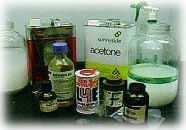 There are different “recipes” for making meth, each using different ingredients. The making of meth can also be performed in different stages at different locations. EPA has collected samples from houses, apartments, trailers, motels, and other properties after meth labs were seized. EPA concentrated its sampling efforts on areas to which a resident would most likely come in contact with contamination, such as a property’s surfaces and indoor air – but EPA also took samples from containers, soil, drains, filters, vents, etc.
Washington State’s Health Dept. has examined sampling results and found many chemicals, not related to meth labs, that can be found in most homes. The more common household chemicals can be found in carpet, household cleaners and paints. These chemicals include; benzene, methylene chloride, trichloroethane, and toluene. It is suspected that meth-related chemicals include solvents, phosphorous, iodine, and metals.
What are possible health effects from exposure to meth lab contaminants?
Many of the contaminants present during meth’s cooking process can be harmful if someone is exposed to them. These contaminants can cause health problems including respiratory (breathing) problems, skin and eye irritation, headaches, nausea and dizziness. Acute (short-term) exposures to high concentrations of some of these chemicals, such as those law enforcement officers face when they first enter a lab, can cause severe health problems including lung damage and burns to different parts of the body.
 There is little known about the health effects from chronic (long-term) exposure to contaminants left behind after a meth lab is dismantled. Until the contaminants have been identified, their quantities measured, and their health effects known, Washington State’s Health Dept. and local law enforcement advise property owners to exercise caution and use the safest possible cleaning practices in dealing with a former meth lab property and any possible remaining contamination.
The potential health effects depend on how much of each chemical to which a person is exposed, the specific chemicals to which a person is exposed, how long a person is exposed, and the health condition of the person being exposed.
Exposure to meth residues may cause symptoms similar to those experienced by meth users.
 Exposure to volatile organic compounds (VOCs) may cause symptoms such as nose and throat irritation, headaches, dizziness, nausea, vomiting, confusion and breathing difficulties. Benzene is a VOC known to cause cancer.
Acids or bases will cause a burning sensation on the skin and in mucous membranes, and can cause severe eye damage. Exposure to metals and salts can cause a wide range of health effects including respiratory irritation, decreased mental function, anemia, kidney damage and birth defects.2
How can the property be cleaned up?
Since this is an emerging problem, there is currently no official guidance or regulations on how to clean up a former meth lab property for reoccupation. Responses across the country to the cleanup of these properties have ranged from doing nothing to complete demolition. Until a cleanup standard is determined, owners should have a company familiar with hazardous waste removal to thoroughly clean up these properties.
 The safest way to clean up a former meth lab is to hire environmental companies trained in hazardous substance removal and clean-up. Owners who clean their own properties should be aware that household building materials and furniture can absorb contaminants and give off fumes. Use caution and wear clothing to protect your skin, such as gloves, long sleeves, and eye protection during cleaning.
Some general guidelines include:
• Air out the property
After a lab is seized by law enforcement officials, professionals trained to handle hazardous materials are generally called in to remove lab waste and any bulk chemicals. During this removal, every effort is made to air out the property for the safety of the removal crew. For security reasons, the property is usually closed upon their departure. However, this short-term airing-out may not be sufficient to clear out all the contaminants from the air inside the home. Be sure the property has been aired out for several days before cleaning. After the initial airing out, good active ventilation should be continued throughout the property’s cleanup.
 To promote the volatilization (dissolving into the air) of some types of chemicals, windows and doors may be closed and the temperature inside the home increased to approximately 90 degrees Fahrenheit for a few days. After cleaning and heating is complete, the property should be aired out for three to five days to allow for any volatiles to disperse from the house. Open all the building’s windows and set up exhaust fans to circulate air out of the house. During this time, the property should remain off limits unless it is necessary to make short visits to the property.
After the cleaning and final three to five days of airing-out, the property should be checked for re-staining and odors, which would indicate that the initial cleaning was not successful, and further, more extensive steps should be taken.
• Contamination removal and disposal
 During the meth cooking process, vapors are given off that can spread and be absorbed by nearby materials. Spilled chemicals, supplies and equipment can further contaminate non-lab items. It is a good idea to remove unnecessary items from the property and dispose of them properly. Items that are visibly contaminated should be removed from the property and may be disposed of in a local landfill.
If you find suspicious containers or lab equipment at the property, do not handle them yourself. Leave the area and contact your local law enforcement agency or fire department. It is possible that some items may have been left behind after a seizure. If the property has been searched by a hazardous materials cleanup team, the items have most likely been identified and are not dangerous. However, some properties may not have been searched or some items may have been overlooked in the debris or confusion.
 Absorbent materials, such as carpeting, drapes, clothing, etc. can accumulate vapors that are dispersed through the air during the cooking process. They also may collect dust and powder from the chemicals involved in the manufacturing process. It is recommended that these materials be disposed of, especially if an odor or discoloration is present.
• Surfaces
Surfaces, such as walls, counters, floors, ceilings, etc. are porous and can hold contamination from the meth cooking process, especially in those areas where the cooking and preparation were performed. Cleaning these areas is very important as people may come in frequent contact with these surfaces through skin contact, food preparation, etc.
 If a surface has visible contamination or staining, complete removal and replacement of that surface section is recommended. This could include removal and replacement of wallboard, floor coverings and counters. If this is not feasible, intensive cleaning, followed by the application of a physical barrier such as paint or epoxy is recommended. These areas should be monitored and the barrier maintained to assure that the contamination is contained.
Normal household cleaning methods and products will remove any remaining contamination. Don’t forget to wear gloves, protective clothing, such as long sleeves, and eye protection. Again, ventilation of the property should be continued throughout the cleaning process.
• Ventilation system
Ventilation systems (heating, air conditioning) tend to collect fumes and dust and redistribute them throughout a home. The vents, ductwork, filters, and even the walls and ceilings near ventilation ducts can become contaminated. Replace all of the air filters in the system, remove and clean vents, clean the surfaces near system inlets and outlets, and clean the system’s ductwork.
• Plumbing
 While some of the waste products generated during meth manufacture may be thrown along the sides of roads or in yards, most are dumped down sinks, drains, and toilets. These waste products can collect in drains, traps, and septic tanks and give off fumes. If a strong chemical odor is coming from household plumbing, do not attempt to address the problem yourself, contact a plumbing contractor for professional assistance. If you suspect the septic tank or yard may be contaminated, contact the local health department.
• Repainting
 When a surface has been cleaned, painting that surface should be considered, especially in areas where contamination was found or suspected. If there is any remaining contamination that cleaning did not remove, painting the surface puts a barrier between the contamination and anyone who may come in contact with those surfaces. Even on those areas that people do not normally touch, painting will cover up and “lock” the contamination onto the surface, reducing the chances that it would be released into the air.
Should testing be done after cleanup?
Absolutely have the property evaluated and tested.  Washington State has standards that limit the meth, lead, VOCs and mercury. Sampling is an expensive option, but may provide peace of mind for property owners and families.
Check with the local health department for current clean up guidelines. A risk assessment may be necessary to evaluate the potential for exposure on a case-by-case basis. A worst-case exposure scenario would be that of an infant or toddler wearing as little as a diaper being exposed to chemicals by breathing, touching and hand-to-mouth activity.
Until the former meth lab is cleaned up, no one should enter the area without appropriate personal protective equipment. In addition, no one should rent, purchase or occupy a former meth lab property unless cleanup has occurred.
Remember these steps to cleaning a former meth property:
- Determine if the property was used for meth production.
- Air out the property before and during cleanup.
- Remove all unnecessary items and dispose of them.
- Remove visibly contaminated items or items that have an odor.
- Clean all surfaces using household cleaning methods and proper personal protection.
- Clean the ventilation system.
- Leave plumbing cleaning up to the experts.
- Use full person protection equipment during cleanup
- After clean up have property tested by a professional to ensure it meets health department guidelines.
Additional sources to consider: